
Healthcare marketing has evolved significantly with the rise of social media, creating new opportunities for organizations to connect with patients in more personal and meaningful ways. Ethical healthcare influencer marketing has emerged as a powerful approach that allows healthcare brands to communicate important messages while maintaining credibility and responsibility. By working alongside professional healthcare digital marketing services, organizations can ensure that influencer collaborations align with industry standards, patient expectations, and regulatory requirements.
Leveraging social media platforms and trusted influencers enables healthcare organizations to reach wider audiences while presenting information in a more approachable and relatable manner. Influencers have the unique ability to humanize healthcare brands by sharing authentic experiences, simplifying complex topics, and fostering genuine engagement with their followers. However, to sustain trust and long-term value, healthcare organizations must carefully consider ethics, transparency, and accuracy when developing influencer-driven campaigns.
Significance of Ethical Healthcare Influencer Marketing
Ethical healthcare influencer marketing plays a critical role in shaping how health information is shared and perceived in the digital space. Because healthcare communication directly impacts patient decisions, it must be handled with care, accuracy, and responsibility. When ethics guide influencer collaborations, healthcare organizations can inform, educate, and engage audiences without compromising trust or safety.
- Prevents Misinformation and Misleading Claims
Health-related content that lacks proper review or exaggerates outcomes can confuse audiences and lead to harmful decisions. Ethical influencer marketing ensures that all shared information is evidence-based, medically sound, and clearly communicated, reducing the risk of self-diagnosis or inappropriate self-medication. - Strengthens Patient Trust
Transparency is essential in healthcare communication. When influencers openly disclose partnerships and present balanced, factual insights, it reinforces patient trust in digital healthcare marketing. Audiences are more likely to engage with brands that prioritize honesty over promotion, especially in sensitive health matters. - Protects Patient Safety
Ethical campaigns emphasize responsible messaging that encourages patients to seek professional medical advice rather than relying solely on social media content. This approach safeguards patient well-being and reinforces the role of qualified healthcare professionals. - Ensures Regulatory Compliance
Adhering to regulatory guidelines for healthcare advertising helps healthcare organizations and influencers maintain compliance with industry standards, minimize legal risks, and uphold professional accountability across all digital campaigns. - Enhances Long-Term Brand Value
While unethical campaigns may generate short-term visibility, they often erode credibility over time. Ethical healthcare influencer marketing builds sustainable relationships with audiences who value integrity, accuracy, and accountability, ultimately strengthening brand loyalty and public confidence.
Key Ethical Boundaries for Healthcare Influencer Marketing Campaigns
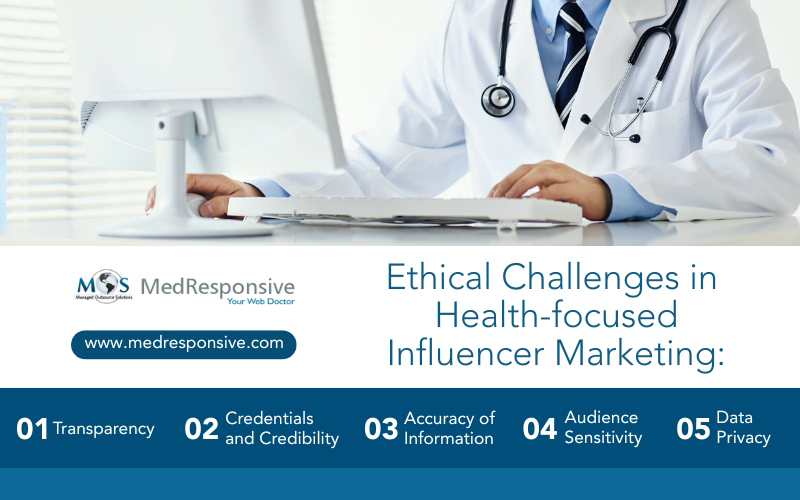
Several ethical challenges arise when brands bring influencers into their health marketing strategy, making medical marketing ethics a core consideration for responsible and trustworthy campaigns:
- Transparency
- All paid partnerships must be clearly disclosed in the ads, for instance, video content can use hash tags such as #ad or #sponsored in their descriptions.
- Audiences should be aware when content is sponsored, even if the product being discussed is genuinely recommended.
- Disguising advertisements as unbiased advice undermines both ethical standards and consumer trust.
One of the most critical issues is whether the audience knows they are being marketed to. In healthcare, this becomes even more important due to the inherent trust placed in medical professionals and health influencers. If content creators hide or withhold information about paid partnerships, it can result in loss of users’ trust not just for the creators but for the brands as well. Here’s how to maintain transparency in healthcare influencer marketing through clear and responsible practices:
These tips can help to ensure your online medical advertising remains transparent to users.
- Credentials and Credibility
- Brands should partner with individuals who give relevant qualifications, licenses, and experiences.
- Content must reflect their actual scope of expertise, for example, dermatology influencer’s content should provide advice and recommendations on skin conditions, skincare products, or services.
- Any claim must be evidence-based, ideally backed by reputable sources or professional guidelines.
Not all health influencers have formal medical training, yet many speak on topics such as supplements, diets, or mental health. This may confuse brands on who should be allowed to share opinions and influence health outcomes. When it comes to selecting credible medical influencers, brands can follow the given tips:
While exaggerating claims in content for additional engagement might be a typical click bait tactic for social media, healthcare brands should be cautious of presenting only accurate information to users.
- Accuracy of Information
- Influencer content should be reviewed or supported by qualified healthcare professionals.
- Avoid overpromising results or presenting one-size-fits-all solutions.
- Health-related claims must be supported by current, peer-reviewed research.
Medical information must be addressed with care so as to avoid severe consequences of any misinformation. What works for one person may not work for another, and blanket statements can be misleading or dangerous. Brands can implement these practices to ensure accuracy of their medical content:
Consulting only key authorities in the medical field such as doctors, registered nurses, psychologists, or pharmacists can help maintain healthcare content accuracy and avoid unverified statements.
- Audience Sensitivity
- Avoid using fear-based messaging, guilt, or unrealistic promises to drive conversions or product interest.
- Sensitivity in tone and language is essential, as the perspective, diversity, and experience of audiences must be considered when preparing and publishing content.
- Brands should avoid encouraging unnecessary treatments, excessive product use, or non-evidence-based remedies that could potentially cause harm.
- Encourage responsible health behavior by providing resources, disclaimers, and referrals to qualified healthcare professionals where appropriate.
Health-related content often reaches individuals who are experiencing physical, emotional, or psychological distress. This makes them particularly susceptible to persuasive messaging, and raises the ethical responsibility of both influencers and brands. To ensure ethical engagement with vulnerable audiences, brands should adopt the following practices:
Prioritizing responsible messaging in healthcare marketing is a reflection of a value-driven brand, helping to build lasting credibility in a sector where trust is essential.
- Data Privacy
- Ensure users are informed about how their data will be used by obtaining transparent and informed consents.
- Avoid requesting or displaying sensitive personal health details in public forums or comment sections.
- Partner only with platforms and influencers who follow data protection laws such as HIPAA, COPPA, or regional standards.
- Be transparent about third-party data sharing and ensure all practices respect user confidentiality.
In some healthcare campaigns, influencers may encourage users to share personal health information through comments, surveys, or sign-ups. This raises important concerns about how that data is collected, stored, and used. To comply with medical advertising regulations and ethical standards around data privacy:
Respecting user privacy is essential to maintain trust and uphold ethical standards in digital marketing for healthcare.
Best Practices for Using Influencers in Healthcare Marketing
For healthcare brands looking to use influencers effectively and responsibly, ethical marketing isn’t just about preventing controversies, but also about fostering genuine trust. Here’s how companies can approach this:
- Develop internal ethical guidelines that outline goals and expectations for influencer partnerships.
- Conduct background checks on influencers to verify credentials, past content and professional behavior.
- Establish content approval workflows where medical claims are vetted by licensed professionals.
- Educate influencers on compliance requirements such as HIPAA, FDA advertising rules, or regional guidelines.
- Build a cost-effective strategy by monitoring key performance metrics (KPIs) such as click-through rates (CTR) and conversion rates to gauge campaign impact and maximize ROI.
By implementing the above steps, companies operating in the health space can drive meaningful engagement, boost brand reputation, and ultimately, achieve business success without compromising on ethics or integrity.
Elevate Your Health Marketing with Outsourcing
Utilizing digital marketing for healthcare businesses is a strategic move that can ensure your outreach remains thoughtful and compliant. Upholding ethical considerations in healthcare marketing is not a one-time obligation, but rather demands consistent effort and engagement. The public is increasingly aware of how advertising works and they value brands that put responsibility above profit. Partnering with experienced external teams allows healthcare brands to maintain consistent, responsible messaging without stretching internal resources thin. By working with professionals who understand regulatory boundaries and public expectations, you can elevate your brand’s integrity as well as its visibility.