Micro content in digital marketing has emerged as one of the most powerful tools for reaching audiences in short, impactful bursts. With mobile usage driving over 60% of global web traffic in 2025, and users engaging with content for just 8-10 seconds on average, short-form content is no longer optional. Platforms such as TikTok, Instagram, and X have paved the way for quick, swipeable content, making it the ideal format for capturing the attention of today’s highly distracted audience.
This shift in content consumption habits means that brands must think their digital marketing strategies differently. Micro content allows marketers to create personalized, high-impact messages that speak directly to user needs and preferences. Whether it’s through short videos, infographics, or social media stories, delivering the right message at the right moment can improve user engagement, boost brand recognition, and drive conversions.
To stay ahead in this evolving landscape, businesses can partner with SEO consulting services to optimize your micro content strategy for search engines, driving targeted traffic and improved rankings across digital platforms.
Understanding the Rise of Micro Content in Digital Marketing Strategies
Audiences now prefer to consume digital content in fast, skimmable posts, scrolling quickly through feeds and apps. This has created a demand for content that delivers value instantly, whether through visuals, concise messaging, or interactive snippets.
Micro content addresses these behaviors by condensing information into bite-sized, actionable pieces. Formats such as short-form audios, reels, infographics, and GIFs prioritize user convenience and instant gratification, allowing brands to convey complex ideas in seconds. Beyond attention capture, bite-sized content increases the likelihood of shares, comments, and repeat engagement, turning fleeting impressions into sustained digital visibility.
For marketers, the key is relevance — every piece of short-form content should provide clear value and align with audience interests. For example, a short video highlighting a service benefit or a carousel post explaining a process can outperform long-form content that requires more attention. By aligning social media campaigns with user behavior, scrollable posts can turn brief, targeted interactions into deeper customer connection and lasting brand impressions.
Key Types of Micro Content
Short-form content can be created in various types, including visuals, audios, and videos. Each format has its own strength and benefits —and the key to success lies choosing the right platforms, targeting the ideal audience, and aligning content strategy with brand goals.
Here are some of the most popular types of snackable content you can choose from:
- Short Videos: The rise of platforms such as TikTok, Instagram reels and YouTube shorts have popularized the short-format video clips among users. Their length can range anywhere between 10 seconds to 90 seconds and quickly capture the user’s attention. Brands can use this format to present attention-grabbing product ads, share brand stories, and showcase behind-the-scenes glimpses.
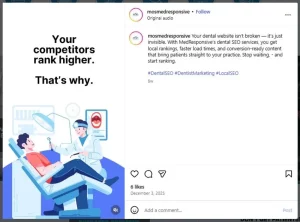
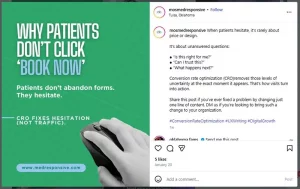
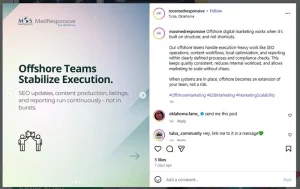
- Static Visuals: Single frame visuals such as posters, quote graphics and infographics can condense complex ideas into visually engaging and instantly scannable format. They are ideal for summarizing data, portraying brand values, and sharing testimonials, helping boost engagement and reinforce brand identity.
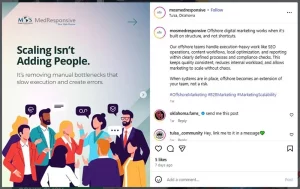
- Carousel Posts: Carousel posts allow brands to deliver multi-step narratives, comparisons, or quick tips through swipeable slides. Each frame builds context progressively, encouraging longer dwell time and deeper interaction. This structure is effective for educational snippets, product breakdowns, and short tutorials that guide users through storytelling sequences to keep users swiping and engaged.
- Short-form Audio Clips: Bite-sized audio content, such as podcast snippets or voice notes, allows brands to deliver quick insights, tips, or updates without requiring screen time. These formats fit naturally into multitasking routines such as commuting or workouts, helping maintain brand presence through passive engagement.
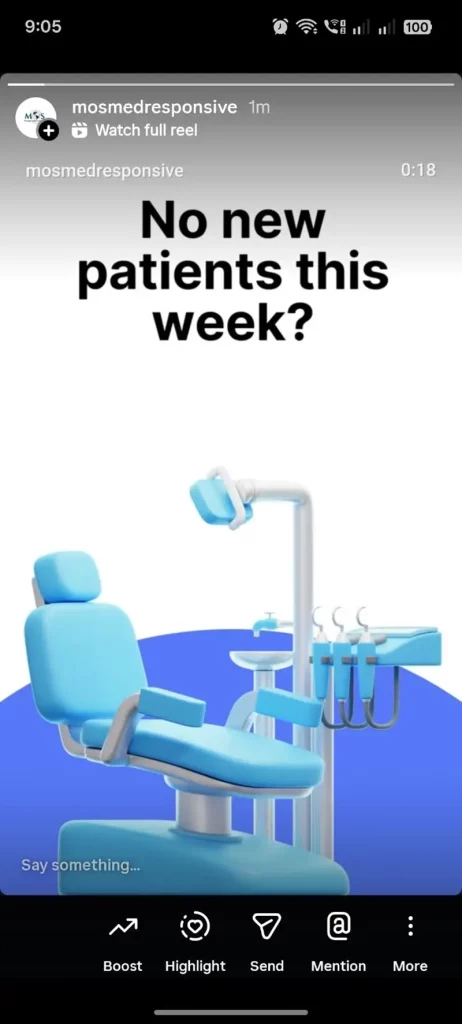
- Social Media Stories: Stories on platforms such as Instagram, Facebook, and LinkedIn creates urgency and drives immediate engagement. Polls, countdowns, question stickers, and short video clips support interactive communication while strengthening brand recall. Since these formats disappear within 24 hours, they promote frequent viewing habits and consistent touchpoints.
- GIFs and Animations: Looped animations add movement and personality to static feeds and communicate emotions, actions, or reactions quickly. They enhance storytelling, improve visual appeal, and make promotional or instructional messages more memorable while keeping content lightweight and shareable.
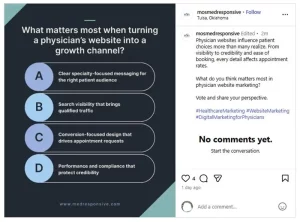
Interactive Content: Surveys, quizzes, voting, and clickable feedback stickers encourage direct user participation. These formats not only boost engagement but also provide valuable insights into customer preferences and behavior.

Source:Best Practices for Creating Bite-sized Content That Drives Conversions

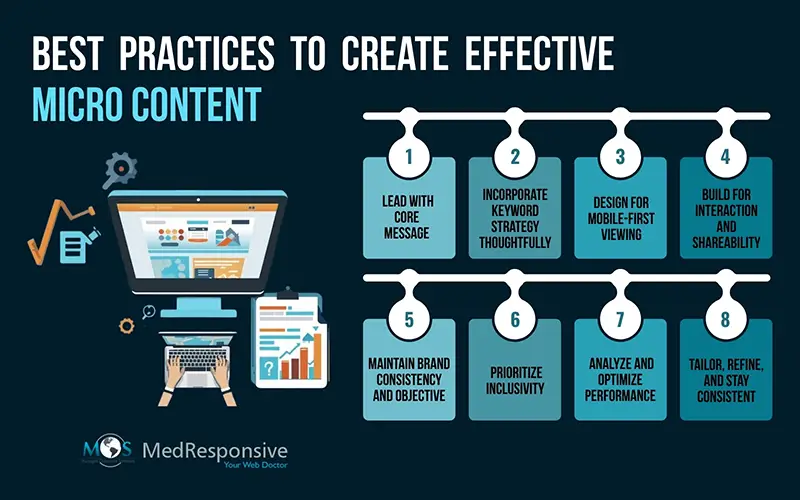
Effective bite-sized assets aren’t just about shortening long-form material — it requires intentional design, accuracy, and a strong understanding of user behavior. Each piece must deliver value within seconds while staying aligned with campaign goals and platform-specific formats.
- Lead with Core Message: Place the most important takeaway in the first frame, line, or second of content. Users decide whether to continue within the first few moments, so positioning the primary benefit, insight, or action early improves retention and interaction. Use bold visuals, compelling headlines, or intriguing questions to capture immediate attention.
- Incorporate Keyword Strategy Thoughtfully: Even the most engaging micro media needs to be discoverable. Integrate relevant keywords naturally into headlines, captions, on-screen text, and metadata to align with search intent and platform algorithms. Avoid keyword stuffing — instead, focus on user intent and relevance so your content remains readable while improving visibility, reach, and long-term performance across channels.
- Design for Mobile-first Viewing: Since most short-form media is consumed on handheld devices, layouts must prioritize vertical orientation, readable typography, and minimal visual clutter. Clear spacing, bold headlines, and centered visuals improve scannability across feeds and stories.
- Build for Interaction and Shareability: Formats that provide practical tips, quick insights, or relatable moments increase the likelihood of saves, reposts, and organic reach. Incorporate interactive materials such as polls, swipe actions, tap-through slides, and short quizzes to transform passive viewing into participation.
- Maintain Brand Consistency and Objective: Fonts, colors, tone, and visual elements should stay uniform across all micro assets. Consistency builds recognition while allowing creative flexibility within different formats. Every piece should support one clear action or takeaway. Whether the goal is awareness, clicks, sign-ups, or retention, a focused objective prevents mixed messaging and strengthens performance.
- Prioritize Inclusivity: Many users watch videos without sound and others rely on screen readers to navigate text-based information. Incorporate inclusive features such as captions, subtitles, and alternative image texts ensure your content is accessible to a wider audience, including those with visual and hearing impairments.
- Analyze and Optimize Performance: Track key metrics such as views, watch time, clicks, and conversions to measure the effectiveness of your bite-sized media. Run A/B tests with variations in headlines, visuals, captions, and formats to identify the most effective combinations. Use this data to improve your strategy and create assets that resonate better with your audience. Even small tweaks in framing or placement can have a significant impact on response rates and completion metrics, helping to enhance your content over time.
- Tailor, Refine, and Stay Consistent: Personalize posts based on audience data, behavior, and preferences to make it relevant and timely. Adapt your materials to platform algorithms by adjusting formats, hashtags, and posting times for better reach. Maintain a consistent posting schedule to strengthen brand recall and keep your audience engaged.
Implementing these social media marketing strategies ensures your micro media remains dynamic, relevant, and highly engaging, driving impactful results and helping it stand out in today’s fast-paced digital world.
Drive Lasting Impact with Strategic, Search-driven Content
Micro content may be small in format, but its impact depends on strategy, consistency, and discoverability. Creating high-performing short-form assets requires more than creative execution — it demands a clear understanding of search intent, platform behavior, and performance data.
This is where professional SEO services add real value. By aligning micro content with keyword strategy, audience insights, and optimization best practices, these external experts ensure your posts reach the right users at the right time. When supported by SEO expertise, bite-sized content becomes a brand tool for increased visibility, enhanced engagement, and long-term digital growth rather than isolated posts lost in the feed.