Today healthcare is becoming smarter, faster, and more accessible than ever before. Medical mobile apps are playing a major role in this transformation by helping people connect with doctors, track health conditions, and manage treatments right from their phones. Many healthcare organizations are embracing custom mobile app development services to build advanced healthcare apps that offer better convenience and faster medical support.
As mobile usage grows worldwide, these apps are no longer optional. They have become essential tools for modern healthcare delivery. Let’s look into how mobile medical apps improve healthcare accessibility for patients.
What Are Medical Mobile Apps?
Medical mobile apps are digital tools designed to support healthcare delivery and improve patient well-being. These apps serve different purposes, such as booking doctor appointments, accessing medical records, monitoring chronic diseases, managing medications, or even consulting specialists through video calls.
For healthcare providers, these apps help streamline patient records, automate processes, track health data, and deliver care more efficiently. Simply put, medical mobile apps bridge the gap between patients and healthcare providers by offering quick, real-time access to healthcare services and demonstrating the benefits of using mobile apps for patient healthcare management.
Healthcare Mobile App Market: Key Statistics
The global demand for healthcare mobile application is growing at an exceptional pace.
In 2024, the healthcare mobile application market was valued at USD 114.17 billion, and is projected to reach USD 1,070.58 billion by 2030, growing at a CAGR of 45.2% between 2025 and 2030. This growth is driven by the increasing penetration of smartphones and the rising preference for digital health solutions across the world.
North America leads the global healthcare app market with a 36.5% share in 2024, with the United States being the major contributor.
Fitness and training apps dominate the market by type, holding 34.3% market share in 2024. Android-based healthcare apps hold the largest platform share, while non-AI-enabled apps accounted for the majority of usage in the same year.
These statistics show that the healthcare industry is moving rapidly toward digital-first solutions, making now the perfect time for providers to invest in growth-focused mobile applications.
Types of Medical Mobile Apps Used by Patients
There are different types of patient health management apps that help individuals track their medical information, appointments, and wellness goals while enabling providers to monitor progress remotely.
- Urgent Care & Telemedicine Apps
These apps allow patients to connect with doctors through video calls, get quick medical advice, and receive remote monitoring for serious or time-sensitive conditions. - Lifestyle & Wellness Apps
Designed to promote healthier living, these apps help users track fitness goals, sleep cycles, diet habits, mental health activities, and overall wellness patterns. - Hospital & Patient Portal Apps
Hospitals offer apps that help patients manage appointments, view billing information, access health records, and even navigate through hospital facilities with ease. - Diagnosis & Symptom Checker Apps
These tools let users check symptoms, access clinical information, and receive basic guidance before consulting a healthcare professional. Some include AI-based diagnostic support. - Medication Tracking Apps
Patients receive reminders for medication timings, alerts for drug interactions, and easy access to prescription refills, often integrated with nearby pharmacies. - Specialized Health Management Apps
Apps in this group support chronic disease management, rehabilitation exercises, pregnancy and parenting guidance, nutrition planning, and general health education for patients of all ages.
Benefits of Using Mobile Apps for Patient Healthcare Management
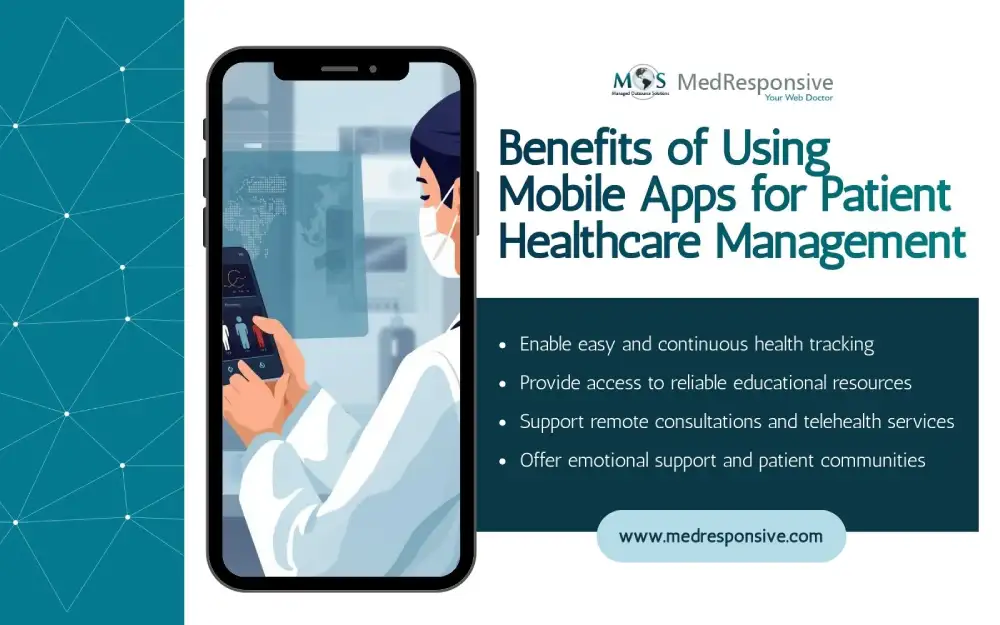
- Enable easy health tracking: Patients can monitor vital signs like blood pressure, glucose levels, heart rate, and oxygen saturation. Many apps sync with wearables to give real-time updates, helping users stay aware of their health conditions.
- Provide educational resources: Apps offer treatment information, prevention tips, diet plans, and self-care guides through simple videos, articles, and instructions. This helps patients make informed health decisions with confidence.
- Support remote consultations: Video consultations allow patients to connect with doctors without visiting hospitals. This became essential during COVID-19 and continues to benefit people in remote areas, seniors, and those with mobility issues.
- Offer emotional and community support: In-app groups and forums connect patients with others facing similar health challenges. Sharing experiences reduces isolation and strengthens emotional well-being.
How Medical Mobile Apps Increase Healthcare Accessibility
- Simplify appointment scheduling
Patients can book, reschedule, or cancel appointments easily, avoiding long calls and wait times. Automated reminders help reduce missed visits and improve overall efficiency. - Provide instant access to medical records
Apps store lab results, prescriptions, imaging reports, and past medical history in one secure place. Users can retrieve or share these records within seconds. - Improve medication management
Reminders for medicines, refill alerts, and dosage instructions ensure patients follow treatment plans correctly. Integration with e-pharmacies allows easy ordering of medications and reduces errors. - Enable remote monitoring for chronic conditions
Patients can send real-time health data such as glucose levels or heart readings directly to doctors. Continuous monitoring helps with early detection of complications and reduces unnecessary hospital visits. All these capabilities show the growing importance of
Best Medical Mobile Apps Used by Patients
Today’s digital healthcare environment offers a variety of mobile apps that are transforming the way patients manage their health. These apps demonstrate how technology can simplify daily health responsibilities and make medical support more accessible to people everywhere.
Medisafe
- Medication consistency support: Provides smart reminders, dosage alerts, and tracking to help users stay on schedule.
- Caregiver notifications: Sends updates to family members when a dose is taken or missed, ideal for seniors and chronic care patients.
- Wearable integration: Connects with devices to offer real-time health insights and better medication management.
Eyecare Live
- Virtual eye consultations: Allows patients to connect with licensed eye specialists through video calls.
- Digital vision tests: Includes tools for checking vision, dryness, or irritation remotely.
- Easy accessibility: Simple interface suitable for all ages, reducing the need for frequent in-person eye visits.
MyChart
- Centralized health records: Combines medical reports, lab results, prescriptions, appointments, and billing in one secure app.
- Direct doctor communication: Enables messaging, refill requests, and easy access to past health data.
- Enhanced patient engagement: Improves transparency and helps users take control of their overall healthcare journey.
Collectively, these apps highlight the power of mobile technology in delivering more convenient, connected, and patient-centered healthcare solutions.
Transforming Workflows Through Custom Mobile App Development
Mobile apps have become essential to modern healthcare, improving access, boosting patient engagement, and delivering timely support. Custom mobile app development services go further—tailoring features to a provider’s unique workflows, specialty needs, and patient population. They enable seamless communication, personalized treatment management, and instant access to critical health information. As digital care expands, investing in customized mobile app development is key to delivering smarter, more efficient, and truly patient-centered healthcare.