

In the ever-evolving landscape of digital marketing, mastering the fundamentals of off-page SEO strategies is no longer optional but essential for any business seeking sustainable online visibility. Off-page SEO focuses on actions taken outside a website that directly impact its search engine rankings. While on-page SEO manages content and technical structure, off-page SEO is centered on building authority, trust, and relevance through external signals such as backlinks, social mentions, and influencer engagement. However, businesses face persistent challenges in this arena, including identifying quality link opportunities, navigating frequent search engine algorithm updates, and mitigating the risks of spammy links that could harm rankings. AI-powered solutions are increasingly helping marketers tackle these obstacles efficiently, from analyzing backlink profiles to predicting the impact of potential outreach strategies.
This post will explore the essential principles of off-page SEO, examine current industry challenges, demonstrate how AI can enhance strategy execution, and provide actionable methods for achieving measurable results. By the end, readers will gain a comprehensive understanding of practical and cutting-edge link-building and authority development techniques applicable to any business context.
Understanding Off-page SEO
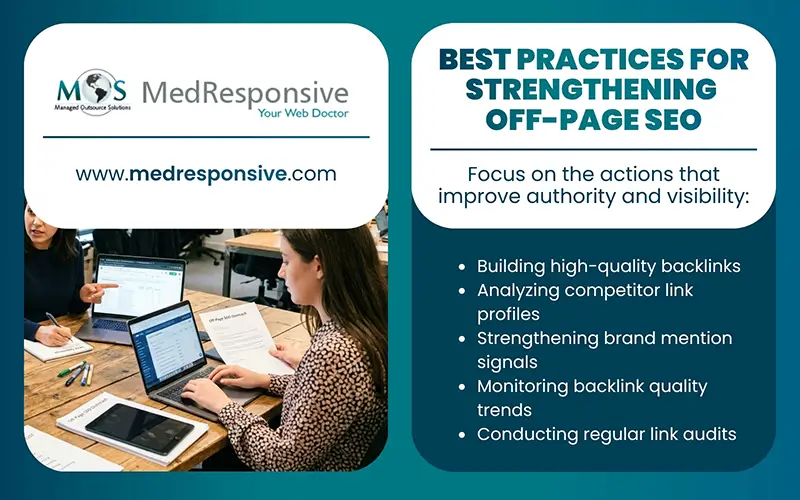
Off-page SEO encompasses all optimization activities that occur outside the boundaries of a website, designed to improve its authority, credibility, and search engine performance. Unlike on-page strategies that rely on content, tags, and site architecture, off-page SEO relies on external validation. Key pillars include:
- Backlinks: High-quality links from authoritative websites remain the most significant ranking factor.
- Social Signals: Engagements on social media platforms indicate relevance and popularity to search engines.
- Brand Mentions: Even unlinked references contribute to authority and recognition.
- Influencer Outreach: Collaborations amplify content reach and credibility.
A systematic approach to off-page SEO ensures that a website is perceived as trustworthy and authoritative, which directly impacts search engine rankings and organic traffic. AI tools now support these efforts by identifying backlink opportunities, detecting toxic links, and tracking competitor strategies in real-time.
Key Challenges in Off-page SEO
Despite the benefits, businesses encounter multiple hurdles in executing these strategies effectively:
- Link-building Difficulties: Securing backlinks from authoritative domains is highly competitive. Low-quality links can be penalized, while high-value links require substantial outreach efforts.
- Algorithm Changes: Search engines frequently update their ranking algorithms, which can devalue existing backlinks or require rapid adjustments in strategy.
- Spam Links: Identifying and disavowing harmful links is critical to protect website credibility and avoid penalties.
- Resource Constraints: Small and medium businesses lack the manpower to conduct consistent outreach, monitor link performance, or leverage analytics for optimization.
Advanced algorithms evaluate link quality, suggest outreach content topics, and predict backlink impact. This allows marketers to focus on high-value opportunities without exhaustive manual screening.
Core Elements of Off-page SEO
- Link Building
- Guest Posting: Publishing content on reputable external websites to generate backlinks.
- Broken Link Building: Identifying broken links on authoritative sites and proposing replacements with your content.
- Resource Link Acquisition: Being listed on industry directories, guides, or educational content as a trusted resource.
Link building remains the cornerstone of strong search authority development. A high-quality backlink portfolio signals trustworthiness and authority to search engines. Effective strategies include:
AI can streamline this process by analyzing competitor backlink profiles, identifying high-value opportunities, and forecasting which types of links are most likely to improve search rankings.
- Social Media Engagement
- Content Amplification: Sharing blog posts, infographics, and videos across relevant social channels.
- Community Participation: Engaging with niche communities, forums, and groups to enhance brand recognition.
- Influencer Collaborations: Partnering with influencers to expand reach and generate organic mentions.
Social signals, while indirect ranking factors, enhance content visibility and drive referral traffic. Effective approaches involve:
AI tools can track engagement trends, recommend optimal posting times, and identify influencers whose audience aligns with your target market, making campaigns more precise and effective.
- Brand Mentions
- Monitoring Online Mentions: Tracking conversations, reviews, and discussions related to your brand.
- PR Outreach: Publishing press releases and thought-leadership content in digital publications.
- Industry Collaborations: Participating in webinars, podcasts, or co-authored research.
- Backlink Analysis: AI identifies high-authority domains, predicts potential backlink value, and highlights spam risks.
- Competitor Intelligence: AI tools monitor competitor backlinks, content mentions, and social engagement to uncover growth opportunities.
- Content Optimization for Outreach: AI analyzes content trends, suggesting topics likely to attract external links and shares.
- Predictive Ranking Insights: Machine learning models estimate which link-building or promotional efforts are likely to improve rankings most effectively.
- Domain Authority: Links from highly authoritative domains carry more weight.
- Relevance: The linking page’s content should relate closely to your niche.
- Anchor Text Appropriateness: Contextually relevant anchor text reinforces the connection.
- Link Placement: Links embedded naturally in high-value content perform better than footers or sidebars.
- Personalized Email Campaigns: Targeted outreach to bloggers, journalists, and industry leaders.
- Content Hubs and Resource Pages: Creating link-worthy assets such as research reports, infographics, and guides.
- Collaborative Projects: Partnering with complementary brands for co-marketing initiatives.
- Micro-Influencer Collaborations: Leveraging niche influencers who command highly engaged audiences.
- Guest Appearances: Participating in podcasts, webinars, or social live events to increase visibility.
- User-Generated Content: Encouraging audience content creation linked to your brand.
- Backlink Acquisition Rate: Tracking the number of quality backlinks obtained over time.
- Domain Authority Growth: Measuring improvements in overall site credibility.
- Referral Traffic: Analyzing traffic driven by external sources.
- Social Engagement Metrics: Monitoring shares, mentions, and follower growth.
- Local Citations: Ensuring consistent business information across directories.
- Review Management: Encouraging positive reviews on platforms like Google Business Profile.
- Community Engagement: Sponsoring events, participating in local forums, and acquiring local backlinks.
- Organic Traffic Increases: Growth in referral and direct traffic indicates improved visibility.
- Keyword Ranking Improvement: Tracking targeted keyword performance over time.
- Link Profile Quality: Number, authority, and relevance of acquired backlinks.
- Brand Visibility: Mentions, social shares, and influencer engagement levels.
- Automated Outreach Platforms: AI will continue to streamline relationship building and backlink acquisition.
- Predictive SEO Analytics: Machine learning models will forecast which strategies yield the highest ranking improvements.
- Voice Search Influence: External signals like reviews and citations increasingly impact voice-based search results.
- Enhanced Spam Detection: AI algorithms will better identify and neutralize harmful backlinks before they affect rankings.
- Link-building campaigns tailored to niche industries.
- AI-driven insights for monitoring backlinks, mentions, and social signals.
- Mitigating risks associated with algorithm changes and spam links.
Even unlinked brand mentions contribute to authority and search engine recognition. Strategies include:
AI-powered listening tools can scan vast digital spaces, alert marketers to brand mentions, and assess sentiment, supporting rapid response and engagement.
Leveraging AI for Off-page SEO
Artificial intelligence enhances these strategies by introducing data-driven decision-making, efficiency, and predictive insights. Applications include:
Integrating AI into link-building operations helps teams identify link opportunities earlier, reduce manual outreach, and improve campaign efficiency.
Evaluating Backlink Quality
Not all backlinks are equal. Search engines value quality over quantity. Criteria for evaluating backlinks include:
AI-based tools automate this evaluation, highlighting high-value links and flagging potentially harmful or spammy links, which is essential in maintaining a healthy backlink profile.
Advanced Outreach Techniques
Building meaningful external connections requires a systematic approach. Techniques include:
AI tools can segment contacts, predict response likelihood, and suggest personalized messaging to maximize the success rate of outreach campaigns.
Social Proof and Influencer Marketing
Influencer engagement and social proof amplify content reach, driving both direct traffic and SEO benefits. Key strategies:
Data analysis pinpoints influencers whose engagement rates, audience demographics, and past SEO impact align with campaign goals.
Monitoring and Analytics
Continuous monitoring ensures these efforts translate into tangible results. Important metrics include:
AI-powered analytics platforms aggregate and interpret this data, providing actionable insights and predictive recommendations for ongoing optimization.
Integrating Off-page SEO with Local SEO
For businesses targeting local audiences, off-page SEO complements local search strategies. Techniques include:
Companies offering local search optimization services leverage these off-page signals to boost visibility in local search results, ensuring relevance and authority in targeted regions.
Measuring Success and ROI
Effective off-page SEO requires evaluation through both quantitative and qualitative measures:
AI-enhanced dashboards can consolidate these metrics, providing predictive analytics and recommendations for fine-tuning campaigns, thereby maximizing ROI.
Future Trends in Off-page SEO
The off-page SEO landscape is evolving rapidly with AI-driven technologies:
Staying ahead of these trends ensures sustainable authority, trust, and competitive advantage in search engine rankings.
Mastering the Fundamentals of Off-page SEO Strategies
Mastering the fundamentals of off-page SEO strategies requires a combination of strategic planning, quality link acquisition, social engagement, and continuous monitoring. AI-driven tools enhance efficiency and precision, enabling marketers to navigate industry challenges, mitigate risks, and maximize results.
Given the complexity of off-page SEO, the ideal option for businesses is to collaborate with a professional search engine optimization company to design and execute high-impact strategies. Such partners bring expertise in:
By focusing on authoritative backlinks, influencer collaboration, social proof, and ongoing analytics, experienced SEO professionals can ensure a structured, results-oriented approach that aligns with long-term business goals.
Improve Your Search Visibility Today!
Explore proven off-page SEO methods designed to strengthen authority, enhance credibility, and support consistent growth.
Contact Us Today!